2026. 2. 5. 17:05ㆍInternational Chat
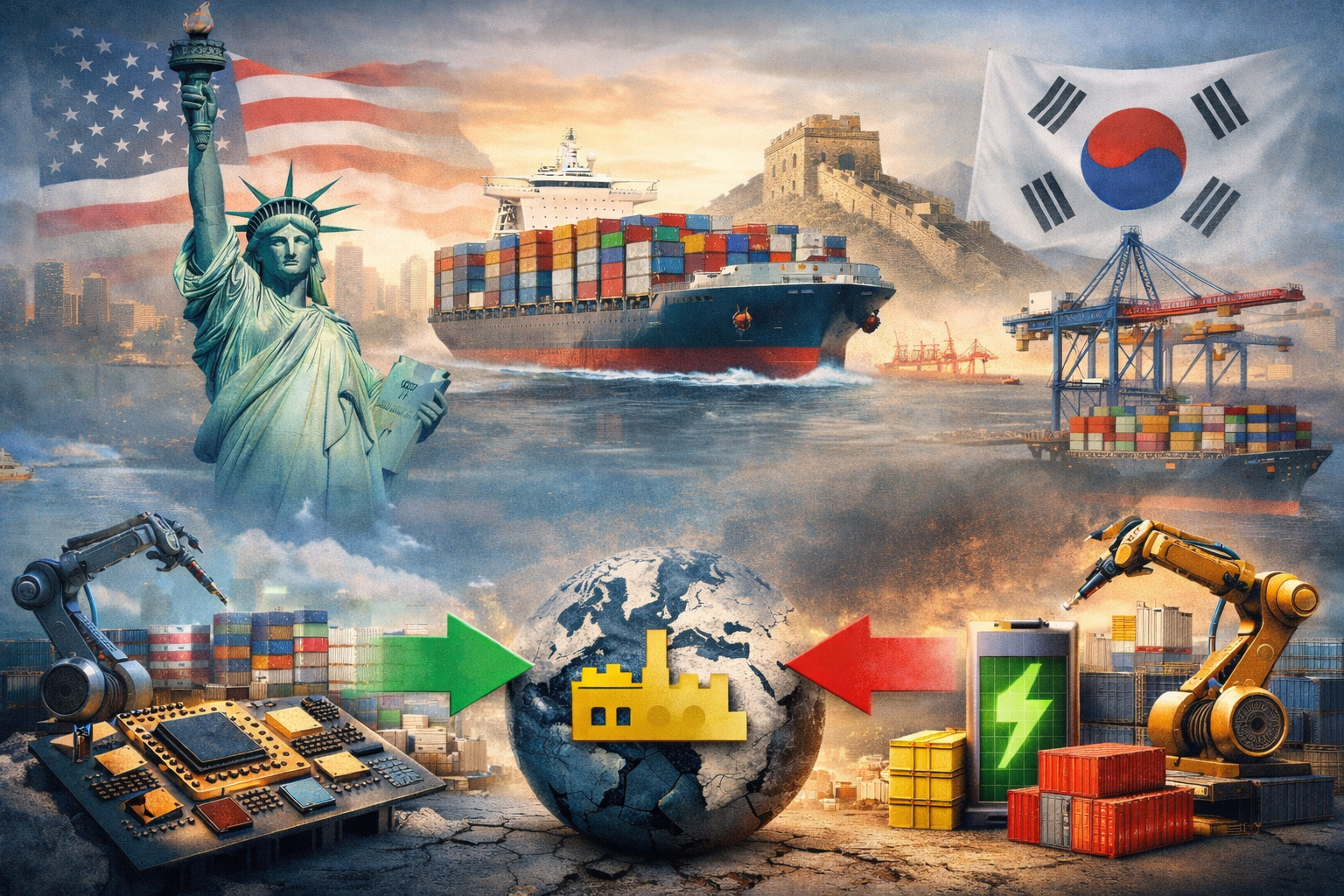
글로벌 무역·공급망 재편 : 한국 네티즌 실시간 반응 요약
1. Background: Global Trade & Supply Chain Reshaping / 글로벌 무역·공급망 재편의 배경
Global trade is undergoing a structural transformation. Rising geopolitical tensions, protectionist policies, and the push for economic security have forced countries to rethink supply chains. Concepts like friend-shoring, near-shoring, and de-risking from China are no longer theoretical—they are active strategies shaping global commerce.
글로벌 무역은 구조적 전환기에 들어섰다. 지정학적 갈등, 보호무역 강화, 경제안보 논리가 결합되면서 각국은 기존 공급망을 재검토하고 있다. 프렌드쇼어링, 니어쇼어링, 탈중국 전략은 이제 논의가 아닌 현실적인 정책 수단이 되었다.
2. Why This Matters to Korea / 한국에 왜 중요한 이슈인가
As a trade-dependent economy, Korea is highly sensitive to global supply chain shifts. Semiconductor exports, battery materials, and manufacturing inputs are directly affected by US-China tensions and regional trade blocs.
무역 의존도가 높은 한국은 글로벌 공급망 변화에 특히 민감하다. 반도체, 배터리 원자재, 제조업 중간재 수출입은 미중 갈등과 지역 무역 블록 형성에 직격탄을 맞을 수 있다.
3. Korean Netizen Reactions
찬성 의견 (Supportive Views)
- “공급망 다변화는 늦었지만 지금이라도 해야 한다.”
→ Diversifying supply chains is overdue, but better late than never. - “중국 의존 줄이는 건 장기적으로 국가 리스크 관리다.”
→ Reducing dependence on China is long-term risk management. - “반도체나 배터리는 자국 중심으로 가는 게 맞다.”
→ Critical industries should stay closer to home. - “단기 비용보다 안정성이 더 중요하다.”
→ Stability matters more than short-term costs. - “경제안보는 이제 선택이 아니라 필수다.”
→ Economic security is no longer optional.
반대 의견 (Critical Views)
- “공급망 재편은 결국 물가 상승으로 돌아온다.”
→ Supply chain reshaping will eventually raise prices. - “탈중국이 말처럼 쉬운가?”
→ Is moving away from China really that easy? - “기업 경쟁력만 떨어질 수 있다.”
→ This could weaken corporate competitiveness. - “정치가 경제를 과도하게 흔들고 있다.”
→ Politics is interfering too much with the economy. - “미국 중심 질서에 너무 끌려간다.”
→ Korea is following a US-centric order too blindly.
중립·관망 의견 (Neutral & Cautious Views)
- “방향은 이해되지만 속도가 문제다.”
→ The direction makes sense, but the pace is questionable. - “산업별로 다르게 봐야 한다.”
→ Each industry needs a different approach. - “정부 정책보다 기업 대응이 더 중요하다.”
→ Corporate strategy matters more than government policy. - “리스크도 기회도 동시에 있다.”
→ There are risks and opportunities at the same time. - “결과는 몇 년 후에나 알 수 있다.”
→ The real impact will only be clear years later.
4. Overall Public Sentiment Analysis / 종합 여론 분석
Korean public opinion shows a balanced divide. Many acknowledge the necessity of supply chain restructuring for national security and long-term stability, while others worry about inflation, competitiveness, and geopolitical overdependence. The dominant sentiment is cautious realism rather than ideological alignment.
한국 여론은 찬반이 비교적 균형을 이루고 있다. 공급망 재편의 필요성은 인정하지만, 물가 상승과 기업 경쟁력 약화에 대한 우려도 크다. 전반적으로 이념보다는 현실적 이해득실을 따지는 분위기가 강하다.
5. Blogger’s Perspective / 블로거의 시선
Supply chain reshaping is not a binary choice between globalization and isolation. For Korea, the key lies in strategic flexibility—maintaining global competitiveness while reducing systemic risks. Emotional reactions are understandable, but policy success will depend on execution, not slogans.
공급망 재편은 세계화냐 고립이냐의 이분법 문제가 아니다. 한국에게 중요한 것은 유연한 전략이다. 감정적인 찬반보다, 실제 정책 실행력과 산업별 정교한 대응이 성패를 가를 것이다.